

Supporting eye health, disability inclusion, and community-based programmes across diverse settings, each shaped by its own systems, needs, and challenges.
In many parts of Asia, avoidable blindness and disability continue to limit opportunities for millions of people.
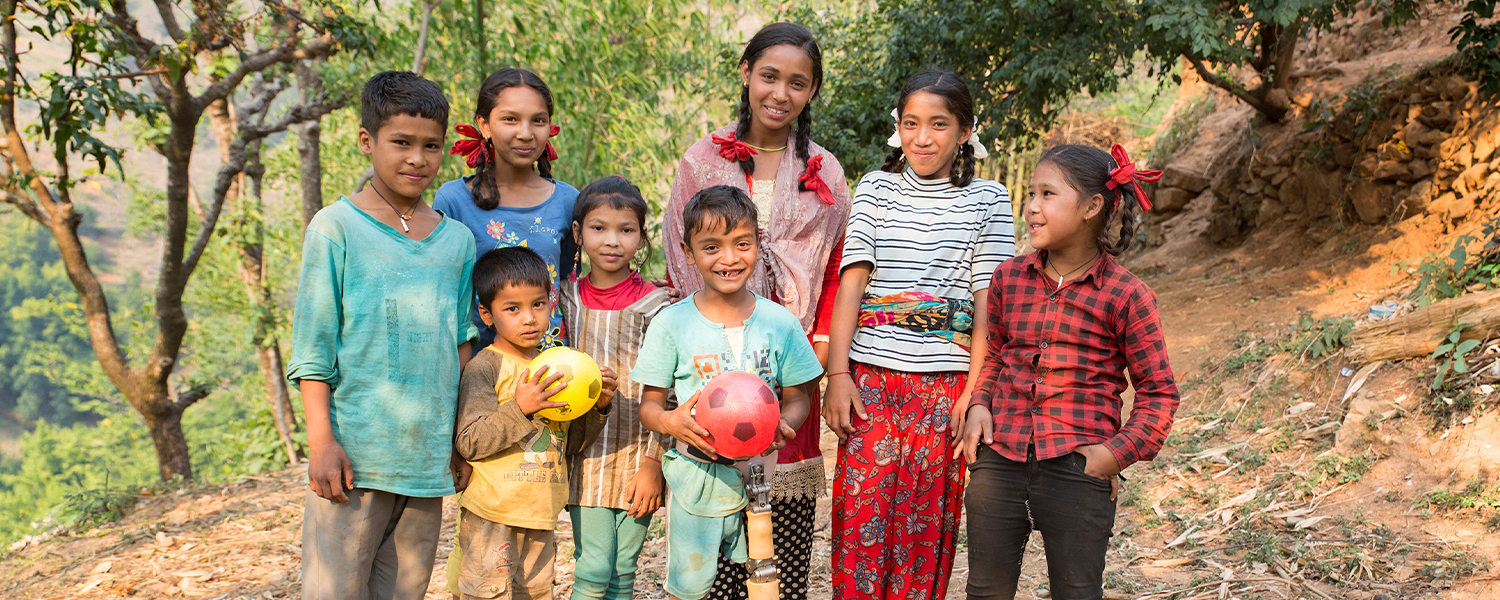
Across many regions in Asia, geography, poverty, and limited health and education systems can make it difficult to access essential services. For people living in rural, mountainous or densely populated areas, distance, cost and availability of care often create significant barriers.
For people with disabilities, these challenges are often compounded by stigma, low awareness, and a lack of inclusive services. Preventable conditions may go untreated, and opportunities for education, work and participation can be limited.
That is why cbm’s work across Asia focuses on practical, locally led approaches that strengthen systems, and reach those most often excluded.
Working alongside local partners in countries including Nepal, the Philippines, Bangladesh, Laos, and Indonesia, cbm supports programmes that strengthen eye health services, expand access to education, and promote disability inclusion.

Together, we strengthen services, improve access, and support inclusive systems that are shaped by local knowledge and community priorities.
Our work spans inclusive eye health, rehabilitation, education, livelihoods, and humanitarian response – all grounded in long-term partnership and sustainability.
![In Nepal, Sabina received sight-saving cataracts surgery at a cbm-partnered hospital.]](https://cbmchristianblindmission.blob.core.windows.net/assets/nova/Asia-1.jpg)
Avoidable blindness remains a significant challenge across parts of Asia. Limited access to trained specialists, equipment, and services means many people live with conditions that could be treated or prevented.
In Nepal and the Philippines, cbm partners with local organisations to strengthen inclusive eye health systems – from community outreach through to specialised care.
![In Nepal, Ramsaran received life-changing clubfoot surgery and rehabilitation at a cbm-partnered hospital.]](https://cbmchristianblindmission.blob.core.windows.net/assets/nova/Asia-2_1.jpg)
Many children and adults with disabilities face barriers to accessing rehabilitation, assistive devices ,and ongoing support. In rural areas, services are often limited or unavailable, and families may not be aware of the support that exists.
In Nepal, access to surgery and rehabilitation can significantly improve mobility and independence. In Bangladesh, particularly in Cox’s Bazar, people with disabilities living in refugee settings face additional challenges due to displacement, trauma, and limited specialised services.
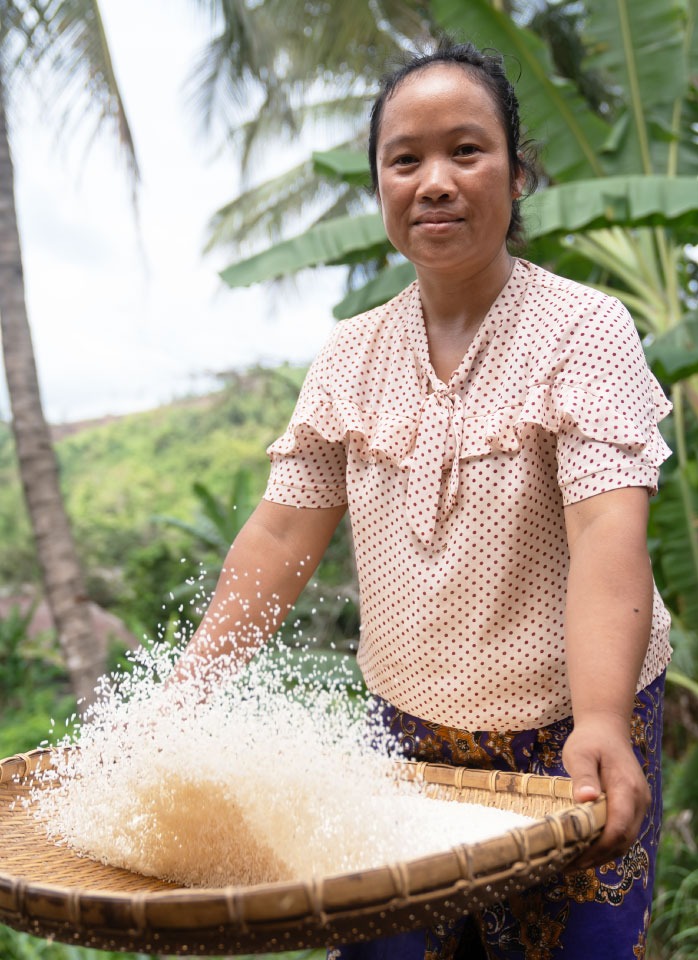
People with disabilities in Laos are among those most affected by poverty and social exclusion. Barriers to education, employment, and healthcare can limit opportunities to participate fully in community life.
Through local partnerships, cbm supports inclusive, community-based approaches that strengthen livelihoods, and promote participation.
Kanda faced stigma and limited opportunities growing up in Laos, but with support from cbm and its local partners, she gained the skills and confidence to grow a successful business.
Today, Kanda is a community leader, helping other people with disabilities build livelihoods, advocate for their rights, and create brighter futures.
![In Nepal, Dinesh received a life-changing prosthetic limb and rehabilitation at a cbm-funded hospital.]](https://cbmchristianblindmission.blob.core.windows.net/assets/nova/about-where-asia-2-dinesh-rehab1.jpg)
Together with local partners and communities, cbm is working to expand access to healthcare, education, and opportunity across Asia.
Thank you for your kind heart.
Meet some of the people whose lives have been transformed through local partnerships, showing how inclusion, healthcare, and opportunity are creating lasting change across every region.
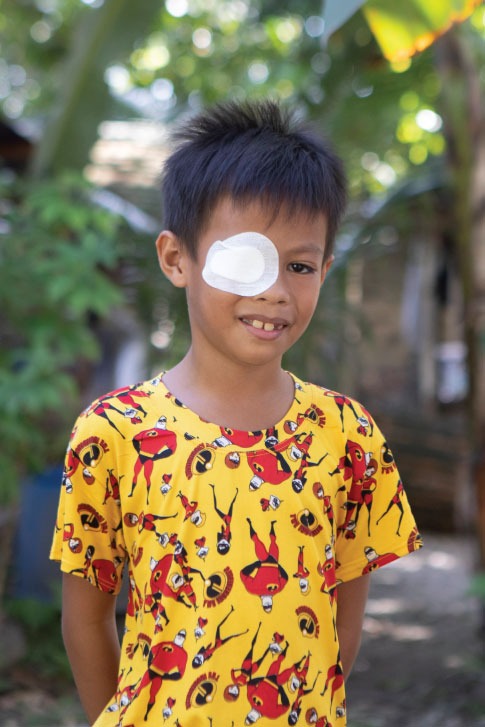
After sight-saving cataract surgery, John can now shine his brightest.
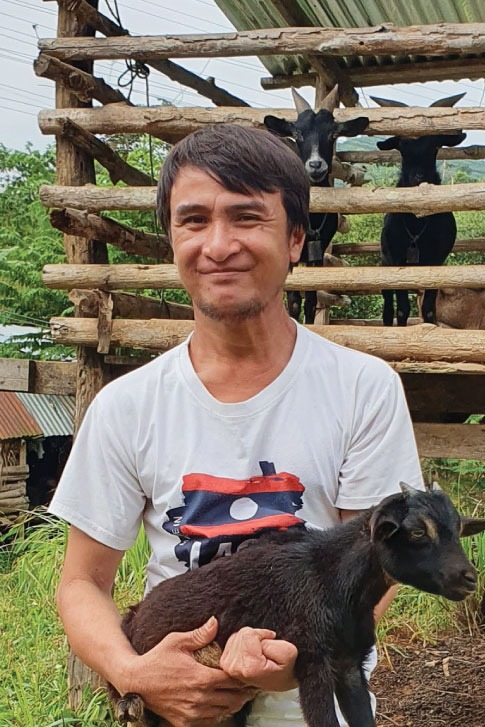
Living with a physical disability, Thongphet faced ongoing challenges supporting his family.
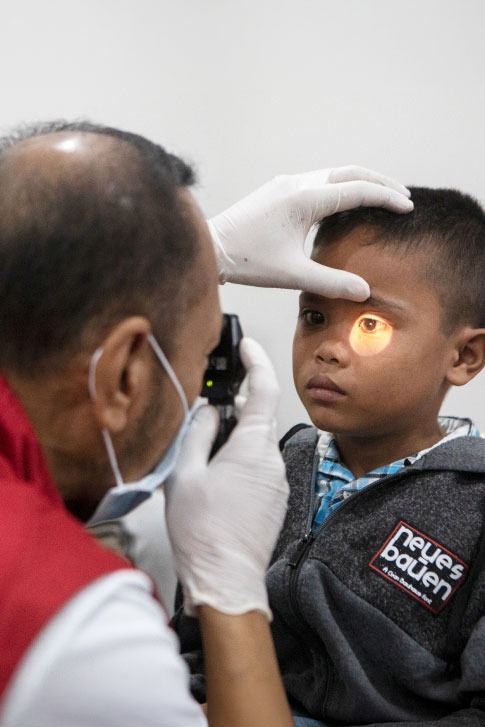
Cataract surgery restores Kyle’s sight, allowing him to return to school and play basketball again.
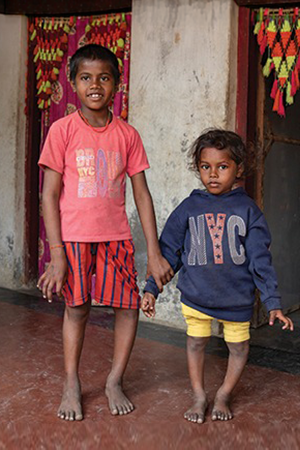
Early treatment can free Kajal and Omkar from disability, opening the door to education and opportunity.