

Partnering to improve access to eye health, surgery, healthcare, and disability-inclusive programmes in communities where poverty and exclusion create significant barriers.
Across parts of Africa, people with disabilities often face significant barriers to healthcare, education, and participation in community life.
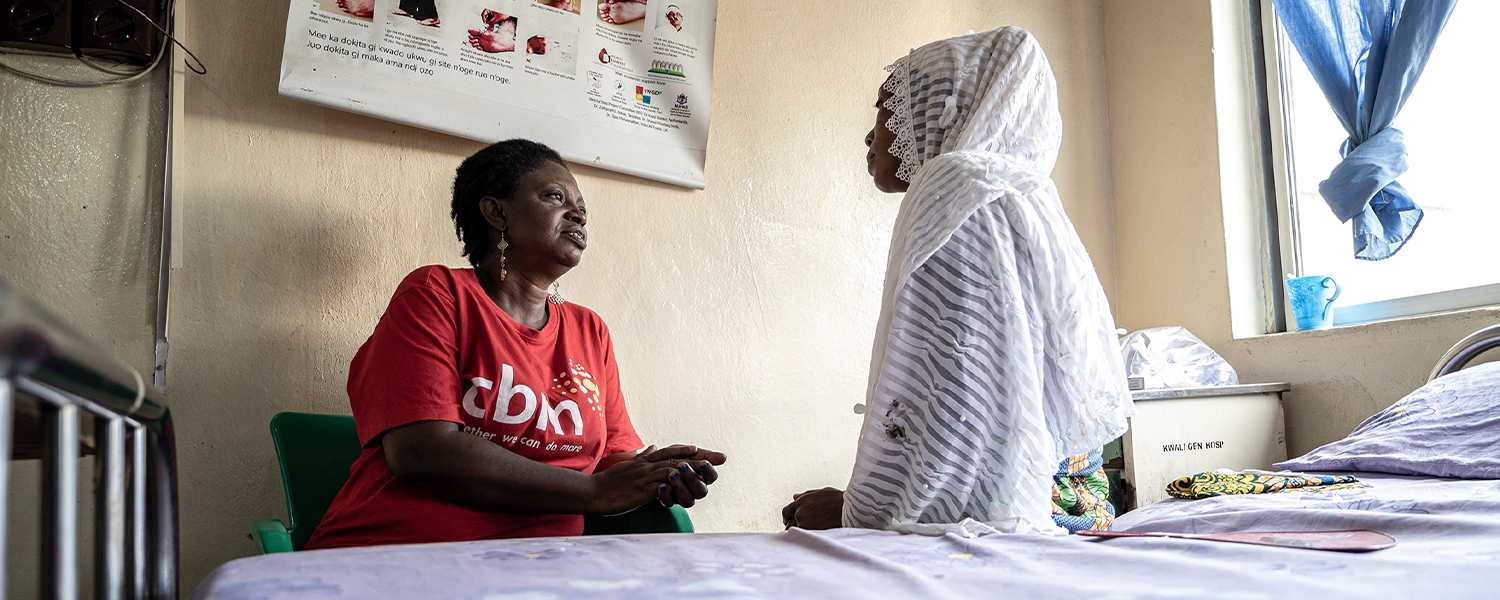
Across many regions in Africa, poverty, limited infrastructure and under-resourced health systems can make it difficult to access even basic services. For people living in rural and remote communities, distance and cost often place healthcare and education out of reach.
For people with disabilities, these barriers are often compounded by stigma, low awareness and a lack of inclusive services. Preventable conditions can go untreated, and opportunities for education and participation can be limited.
That is why cbm’s work across Africa focuses on practical, locally led solutions that strengthen systems and reach communities most often left behind.
Working alongside local partners in countries including Nigeria, Zimbabwe, Madagascar, and Kenya, cbm supports programmes that strengthen health systems, restore sight, prevent disease, and promote disability inclusion.
Together, we are helping improve access to essential services, strengthen livelihoods, and ensure people with disabilities can participate fully in their communities.

Together, we strengthen services, support inclusive systems, and ensure programmes are shaped by local knowledge and community priorities.
Our work spans inclusive eye health, Neglected Tropical Disease prevention, disability-inclusive development, maternal health, education, and humanitarian response – all grounded in long-term partnership and sustainability.
![In Zimbabwe, Mary received sight-saving cataract surgery at a cbm-partnered hospital.]](https://cbmchristianblindmission.blob.core.windows.net/assets/nova/Rodgers-Africa.jpg)
Avoidable blindness remains a significant challenge across many parts of Africa. Limited access to specialist care, equipment, and trained professionals means many people live with preventable or treatable vision loss.
In Zimbabwe, partners such as the Norton Eye Care Centre and the Zimbabwe Council for the Blind provide comprehensive eye health services, from diagnosis through to surgery and rehabilitation.
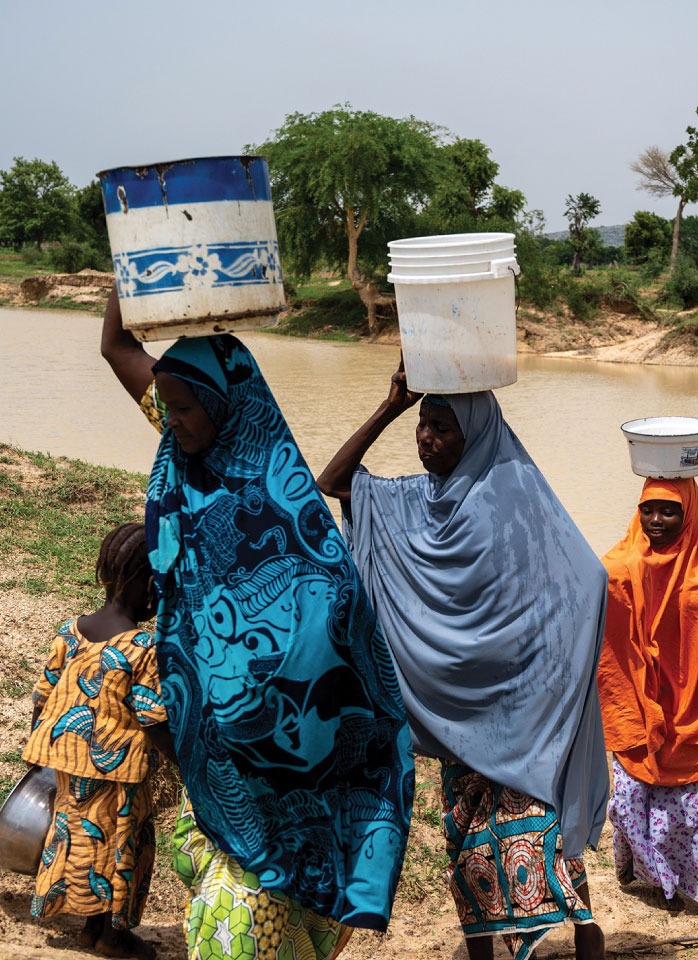
Neglected Tropical Diseases (NTDs) affect more than one billion people globally, with the highest burden in Africa. In Nigeria, millions of people are at risk of conditions such as river blindness, trachoma, and lymphatic filariasis, which can cause long-term disability and vision loss.
These diseases are closely linked to poverty, unsafe water, and poor sanitation. Preventing and treating them requires both medical intervention and improved community health practices.
![In Nigeria, Mary received life-changing obstetric fistula surgery at a cbm-partnered hospital.]](https://cbmchristianblindmission.blob.core.windows.net/assets/nova/Mary-Africa.jpg)
Obstetric fistula is a preventable condition that can have life-altering physical, social, and psychological impacts. Many women affected by fistula face isolation and limited access to treatment.
Through local partnerships, cbm supports access to surgical care and rehabilitation, alongside community awareness and prevention.
![Happy children in the classroom at a cbm-partnered inclusive education school.]](https://cbmchristianblindmission.blob.core.windows.net/assets/nova/about-where-africa-2-education-madagascar.jpg)
Many children with disabilities in Madagascar face barriers to accessing education, including limited teacher training, inaccessible infrastructure, and a lack of appropriate learning materials.
Working with government and local partners, cbm supports the development of inclusive education systems so that children with disabilities can learn alongside their peers.
![In Kenya, Sofia received aid through a cbm-partnered programme.]](https://cbmchristianblindmission.blob.core.windows.net/assets/nova/kenya-julius.jpg)
Across parts of Africa, communities are increasingly affected by climate-related disasters, conflict, and displacement. People with disabilities are often among those most at risk during emergencies.
cbm works with local partners to ensure humanitarian responses are inclusive and accessible.
After developing obstetric fistula during childbirth, Comfort faced serious health challenges and social isolation. Through cbm's local partners, she was able to access life-changing surgery and the care she needed to recover.
Today, Comfort is rebuilding her life with renewed confidence, learning tailoring and looking forward to a brighter future made possible through access to healthcare and ongoing support.
![In Nigeria, Danjuma pumps clean fresh water from a borehole.]](https://cbmchristianblindmission.blob.core.windows.net/assets/nova/about-where-africa-2-danjuma-ntds.jpg)
Together with local partners and communities, cbm is working to strengthen systems, expand access, and ensure people with disabilities across Africa are not left behind.
Thank you for your kind heart.
Meet some of the people whose lives have been transformed through local partnerships, showing how inclusion, healthcare, and opportunity are creating lasting change across every region.
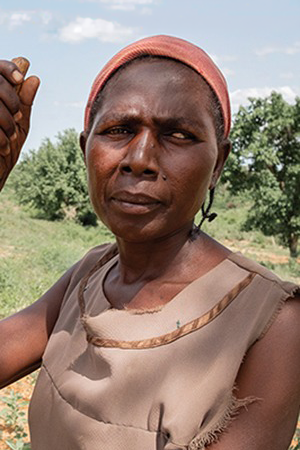
With inclusive support, Sofia and her family are finding stability, resilience, and hope amid ongoing hardship.
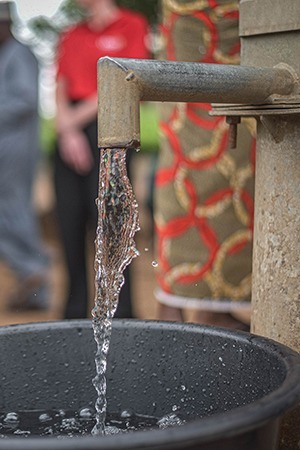
Access to clean water and hygiene education is transforming health, dignity, and opportunity in communities.
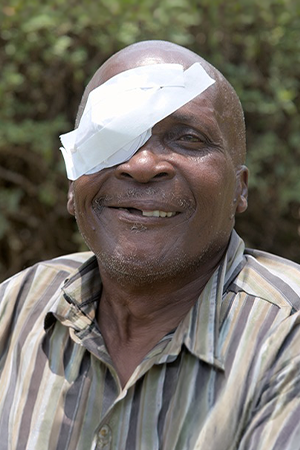
Simple cataract surgery restores Rodgers’ sight, independence, and ability to support his family once again.
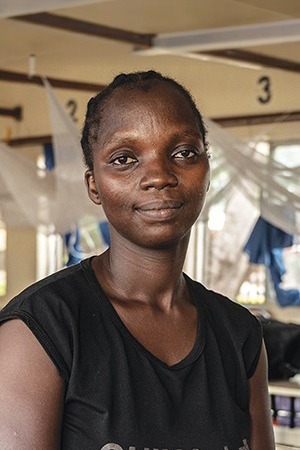
Life-changing surgery restores Mary’s dignity, health, and hope for a new beginning.