

Disability inclusion is not just about access – it is about dignity, opportunity, and justice. When people with disabilities are included, entire communities are stronger, more equitable, and more resilient.
Around the world, people with disabilities are too often excluded – from education, healthcare, livelihoods, and community life. Barriers such as stigma, inaccessible environments, and lack of resources can prevent people from participating fully and reaching their potential.
cbm works alongside local partners to break down these barriers and build inclusive communities where everyone is valued, respected, and able to thrive.
Guided by our Christian values, we believe every person is created with dignity and purpose. That’s why we work to ensure people with disabilities are not only included, but empowered to contribute their gifts, skills, and leadership within their communities.
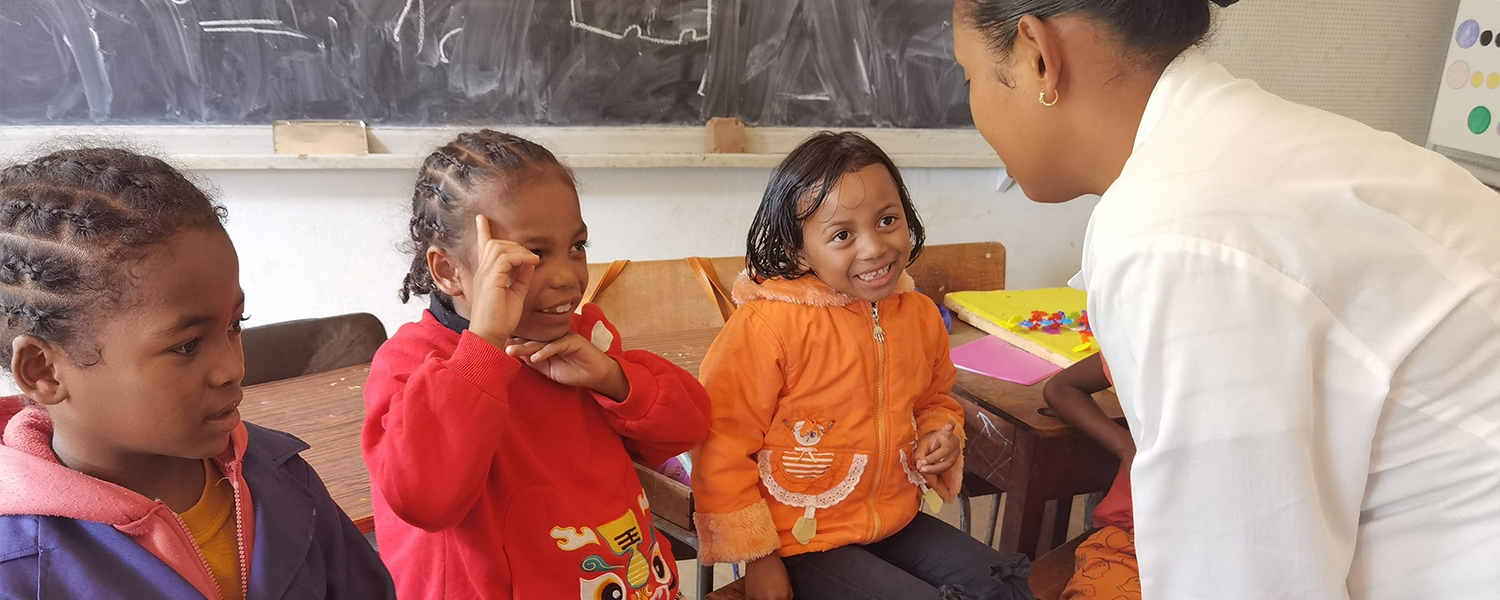

For example, in some contexts, up to 90% of children with moderate to severe disabilities are not attending school. Without access to education, children are denied the opportunity to learn, grow, and build a future – and are more likely to remain trapped in poverty.
Even where policies supporting inclusion exist, a lack of resources, training, and accessible infrastructure means that people with disabilities are still left behind.
Disability inclusion is not just about access – it is about dignity, opportunity, and justice. When people with disabilities are included, entire communities are stronger, more equitable, and more resilient.
We work in partnership with local organisations, governments, and communities to create lasting, inclusive change across three key areas: education, livelihoods, and community participation.
Education is a powerful pathway out of poverty – yet many children with disabilities are still missing out.
cbm supports inclusive education by:
Through this work, children are given the opportunity to learn, grow, and fulfil their God-given potential – and to contribute meaningfully to their communities.
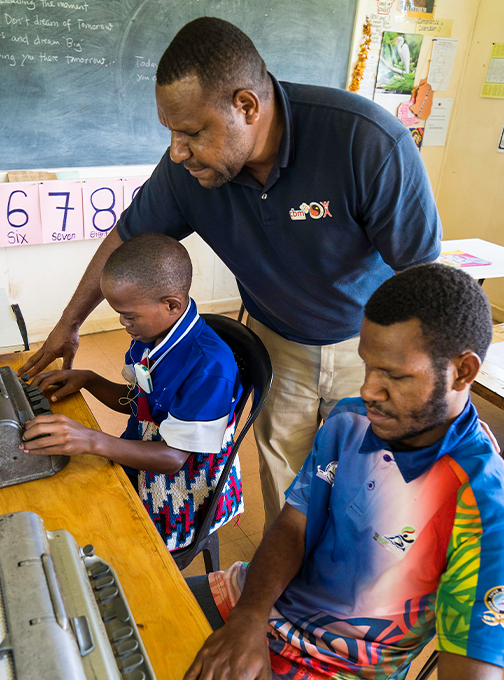
Beyond individual support, cbm works to strengthen entire education systems so they can include all learners.
This includes:
By building capacity within education systems, we help ensure that inclusion is sustainable and reaches future generations.
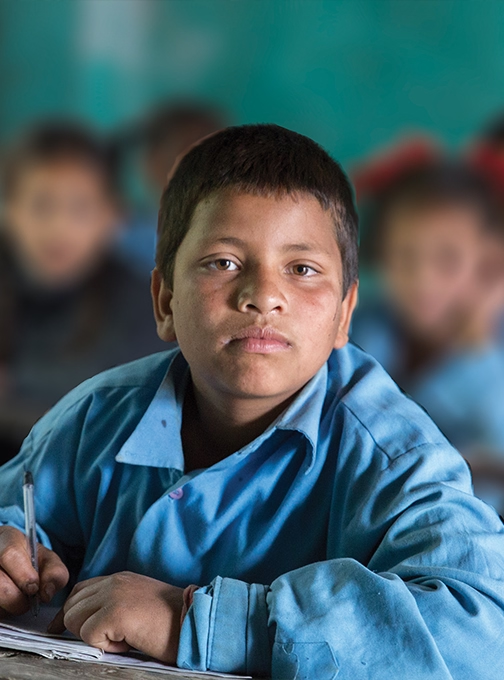
For adults with disabilities, exclusion from livelihoods can lead to long-term poverty and isolation.
cbm supports inclusive livelihoods by:
This approach helps create communities that are more inclusive, equitable, and resilient – where people with disabilities can participate fully in social and economic life.
Partnership is central to cbm’s approach.
We work alongside local organisations, including organisations of persons with disabilities, faith-based partners, and government agencies. These partners bring deep knowledge of their communities and play a leading role in designing and delivering programmes.
Together, we:
By working in partnership, we help create lasting change that continues well beyond individual projects.
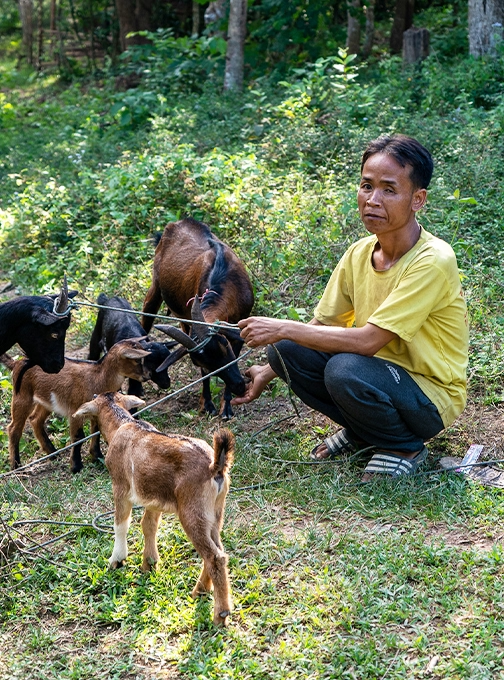
Living with a physical disability, Thongphet faced ongoing challenges supporting his family in Laos. Through a cbm-supported project, he received goats, training, and rehabilitation support, giving him the opportunity to build a sustainable livelihood.
Today, Thongphet is earning an income, his children are thriving at school, and he is participating more fully in community life. His story shows how inclusive support can create lasting change for individuals, families, and communities.
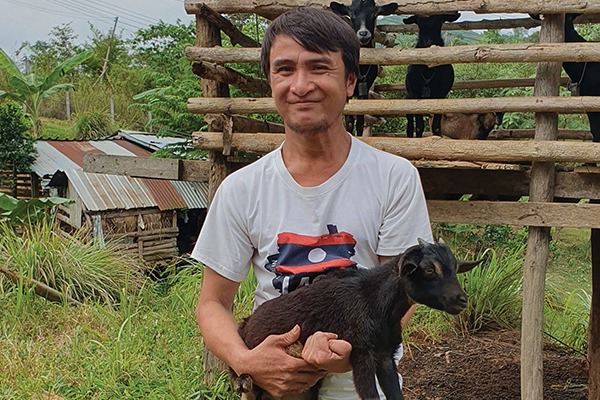
Together, we can help build a more inclusive world – where everyone belongs, and no one is left behind.
Every person's journey is different, but these stories demonstrate how disability-inclusive support can create opportunities, strengthen confidence, and open doors to the future.
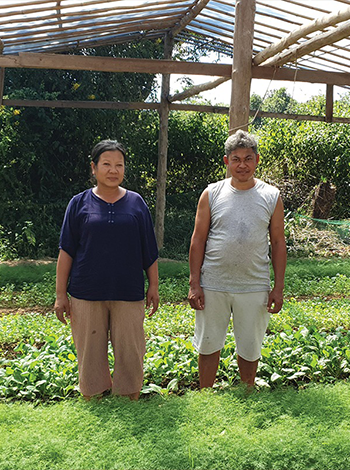
Growing hope through disability-inclusive livelihoods.
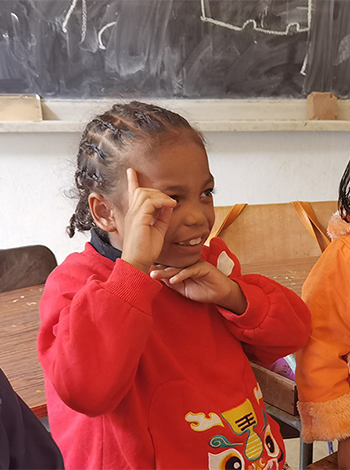
Miandra is quickly catching up after only a few months of inclusive education.
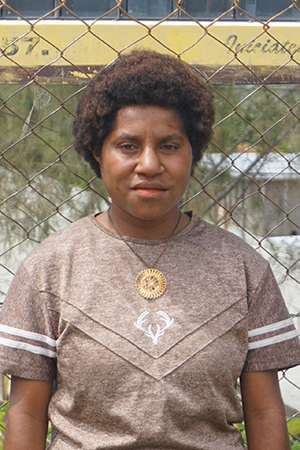
Breaking barriers through inclusive education in Papua New Guinea.