

Access to surgery and rehabilitation is not only about health – it is about dignity, inclusion, and the opportunity to live life to the full.
Around the world, millions of people are living with conditions that could be treated, prevented, or significantly improved with access to surgery and rehabilitation.
Yet for many people in the world’s poorest places, these services remain out of reach. Distance, poverty, limited healthcare infrastructure, and stigma mean that children and adults with disabilities are often left without the care they need.
cbm works alongside trusted local partners to provide life-changing surgery, rehabilitation, and assistive devices – helping restore health, independence, and dignity. Through this work, people are not only healed, but empowered to participate fully in their families and communities.
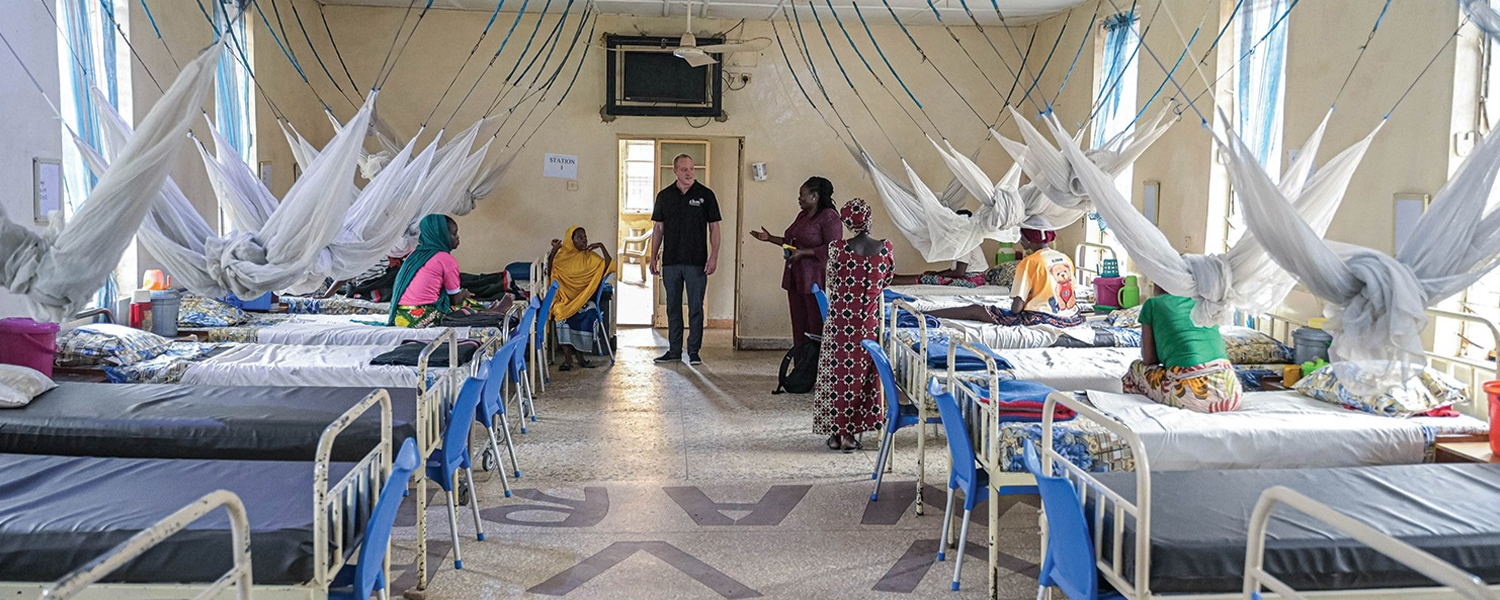

Mothers living with obstetric fistula, for example, often experience chronic medical complications and are excluded from family and community life. Children with physical disabilities may miss out on school. Adults may be unable to work, leaving families trapped in poverty.
In many contexts, more than half of physical impairments could be improved or corrected through surgery or medical intervention – yet these services are often unavailable or inaccessible, particularly in rural and remote areas.
Barriers such as stigma, lack of transport, and limited awareness of available services mean that many people live for years without the care that could transform their lives.
Access to surgery and rehabilitation is not only about health – it is about dignity, inclusion, and the opportunity to live life to the full.
We work with local partners to deliver integrated, person-centred care – from identification and diagnosis through to surgery, rehabilitation, and ongoing support.
Surgery can restore function, relieve pain, and transform lives.
cbm supports:
For women living with obstetric fistula, surgery can bring not only physical healing, but the restoration of dignity, relationships, and community belonging.
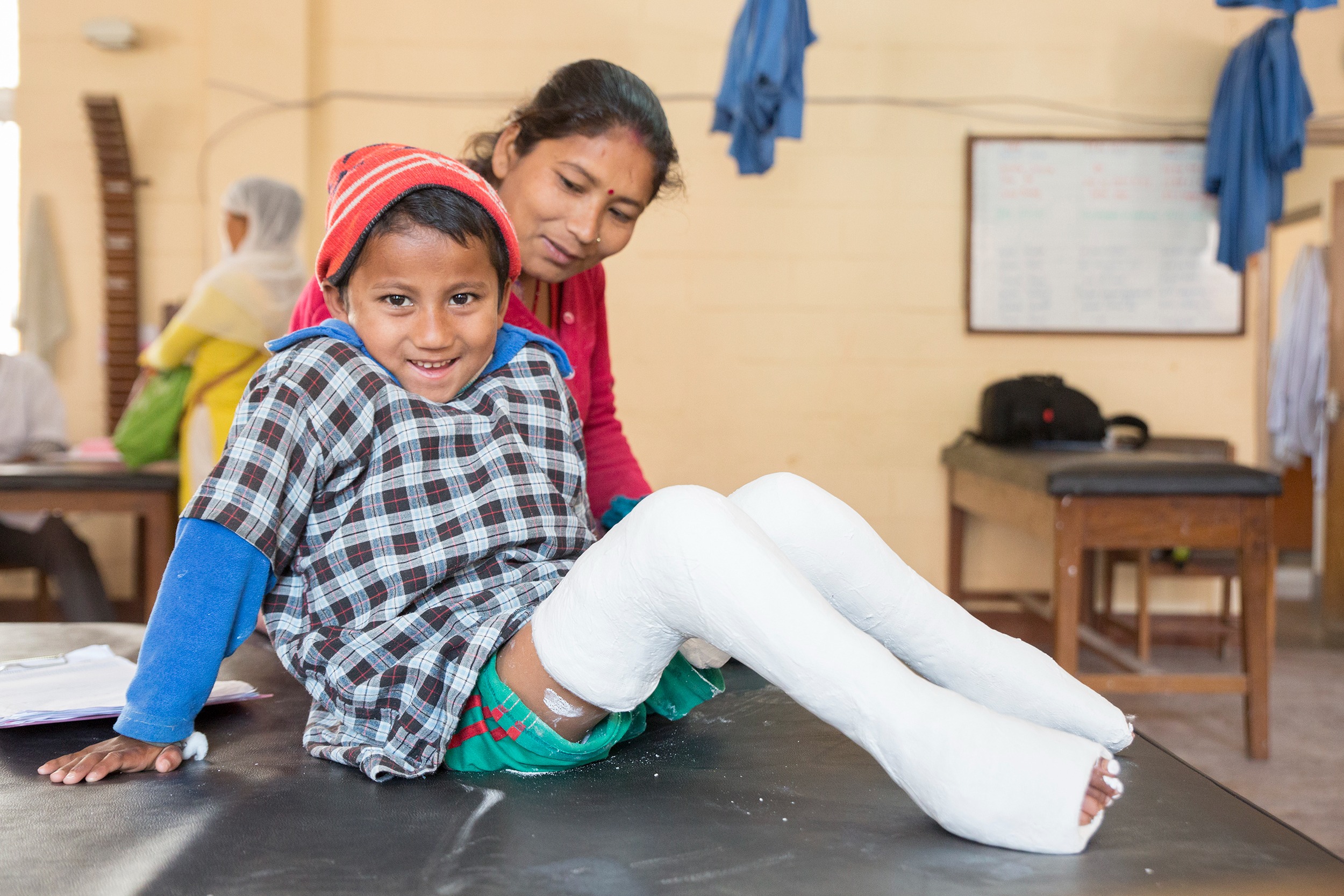
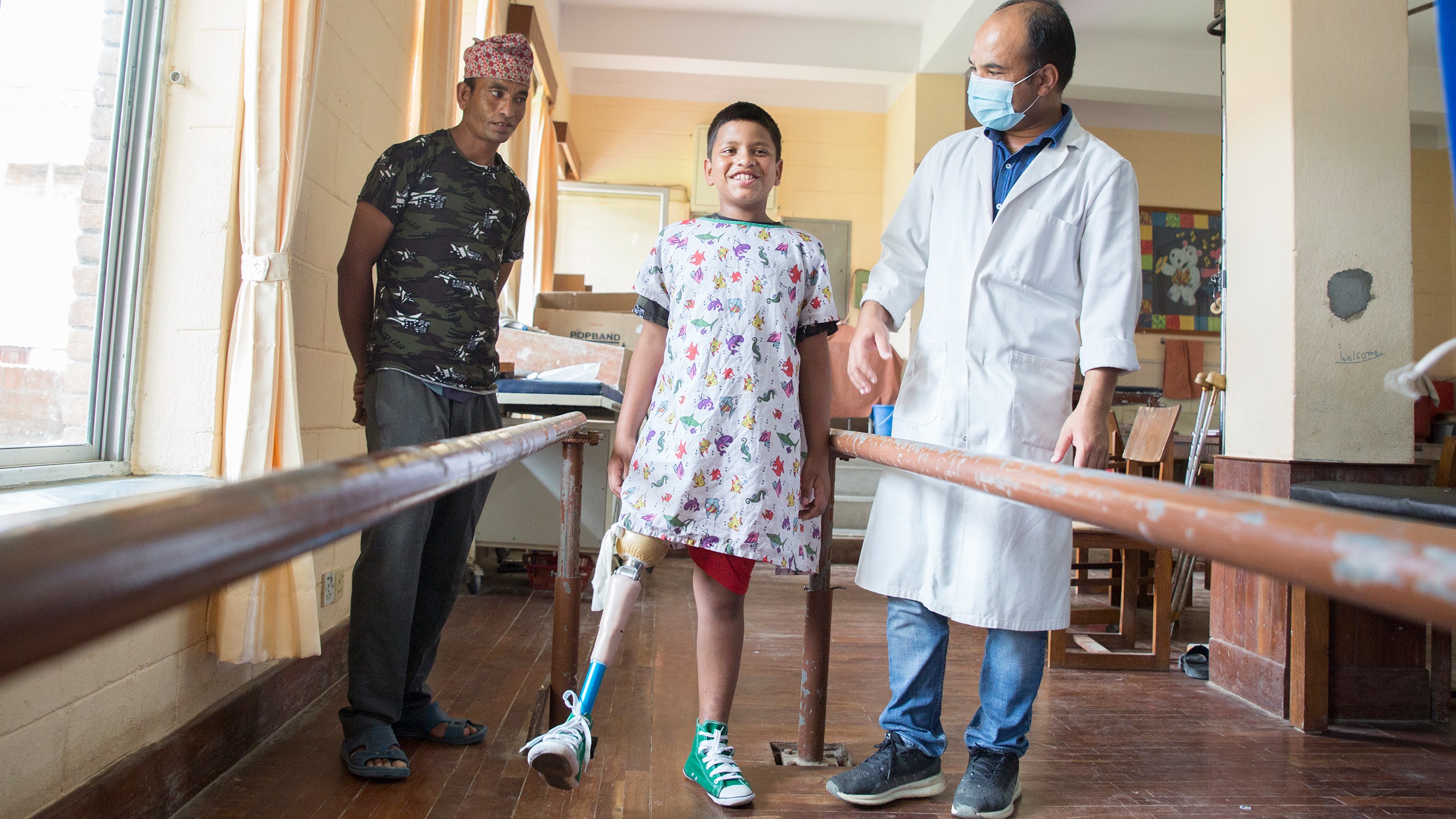
Surgery is often just the beginning. Rehabilitation plays a vital role in helping people regain independence and participate fully in daily life.
cbm supports:
This holistic approach ensures that people are supported not only to recover, but to thrive.
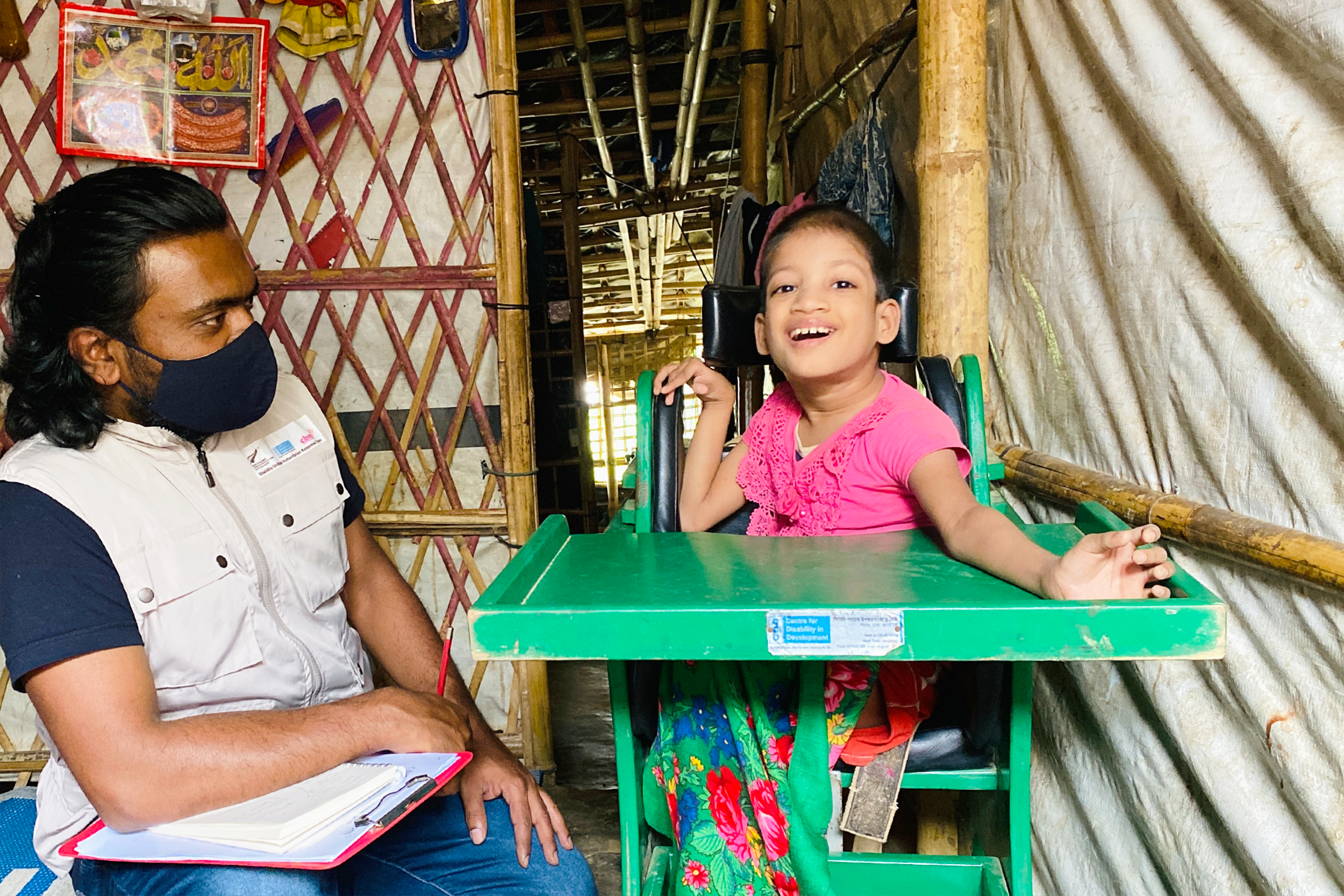
Many people with disabilities live in rural or hard-to-reach areas, or in places affected by crisis and displacement.
cbm works to ensure services reach those most often excluded by:
This ensures that even in the most challenging environments, people with disabilities can access the care they need.
Partnership is central to cbm’s approach.
We work alongside local hospitals, rehabilitation centres, community organisations, and disability groups. Together, we strengthen health systems and build local capacity to deliver inclusive, high-quality care.
This includes:
By working through trusted local partners, we help ensure that care continues to reach people long after individual programmes end.
After the birth of her second child, Jamila's life changed in ways she never expected. A severe injury during labour left her living with obstetric fistula – a condition that causes uncontrollable leaking and can lead to profound social isolation
Thanks to generous supporters like you, Jamila received life-changing surgery that restored her health and renewed her confidence. Today, she is rebuilding her life and participating fully in her family and community once again.
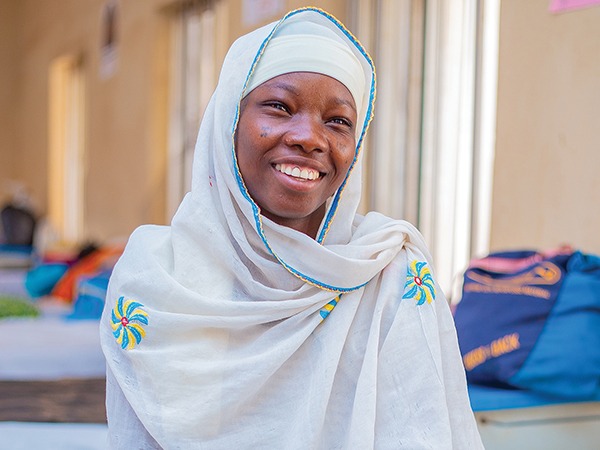
Together, we can restore health, rebuild confidence, and open the door to a more independent and hopeful future – where everyone has the opportunity to live with dignity and fulfil their potential.
These stories share the journeys of children and adults whose lives have been transformed through surgery and rehabilitation – restoring mobility, renewing dignity, and creating new opportunities for independence and hope.
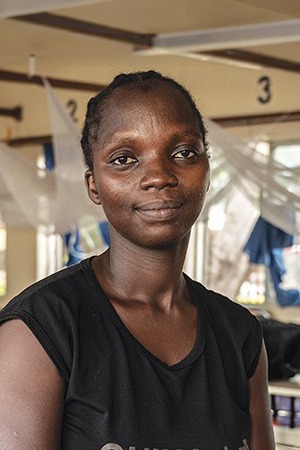
Life-changing surgery restores Mary’s dignity, health, and hope for a new beginning.
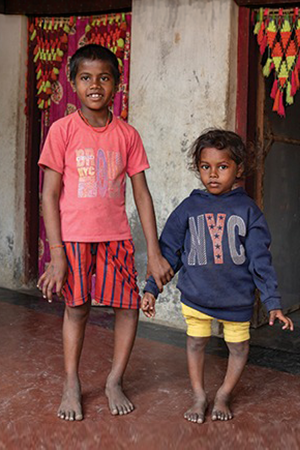
Early treatment helps Kajal and Omkar access the care they need to grow, learn, and thrive.
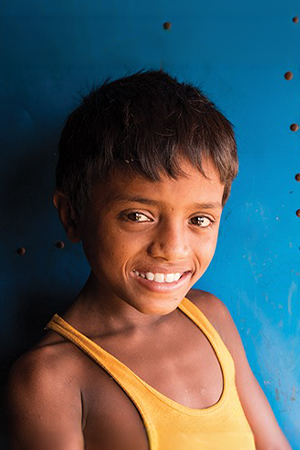
In a safe space, Yasin is healing from trauma, reconnecting, and slowly rediscovering childhood.
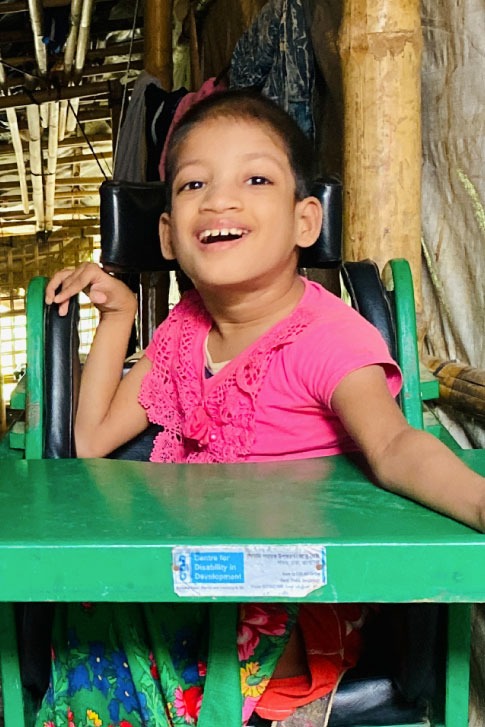
Through a cbm-supported programme, Harisa began receiving specialist rehabilitation and speech therapy.